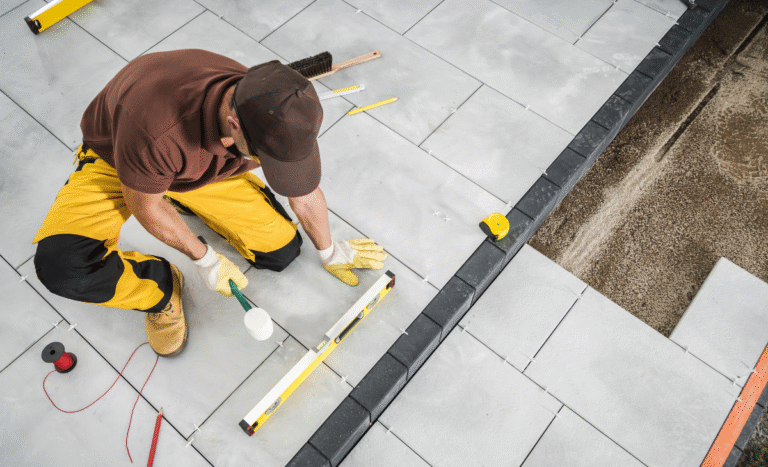
If you’ve got a concrete patio in Florida, you know how quickly it can start looking worn down. The blazing sun, pounding rain, salt air, and constant humidity all take a toll. Whether you’re aiming for better durability or a fresh look, two common options stand out: sealing vs painting your concrete patio.
Both approaches have their perks and their drawbacks. If you’re trying to figure out what works best for your Florida home, you’re in the right place. Let’s break it all down in plain English.
Florida Climate Considerations
Florida weather is beautiful but brutal, especially on outdoor surfaces like patios. That’s why it’s crucial to think beyond aesthetics and focus on protection. Your concrete patio is under constant attack from the elements, which can lead to wear and costly repairs.
Here’s what your patio is up against:
- UV Rays: Constant sun exposure causes fading, chalking, and surface breakdown. Without protection, your patio can start looking dull and bleached out.
- Rain and Humidity: Florida is no stranger to afternoon thunderstorms. Moisture can seep into unsealed concrete, creating the perfect breeding ground for mold and mildew.
- Salt Air: If you’re near the coast, salt particles in the air can corrode the surface of untreated concrete, leading to flaking and discoloration.
- Heat Cycles: Hot days and cooler nights cause concrete to expand and contract, which contributes to surface cracking and erosion over time.
Choosing the right surface treatment is essential for keeping your patio protected, slip-resistant, and looking great year-round. Understanding sealing vs painting concrete patios helps you make the best decision for Florida’s unique climate challenges.
What Does Sealing a Concrete Patio Involve?
Sealing your patio is one of the most effective ways to protect and preserve your concrete surface, especially in Florida’s wet and sunny environment.
How It Works:
Concrete sealers either penetrate into the surface or form a film on top. Penetrating sealers bond with the substrate to block water and contaminants from getting in, while topical (film-forming) sealers add a protective coating that can enhance color and sheen.
Types of Concrete Sealers:
- Penetrating Sealers: Best for those who want a natural, matte finish. These soak into the concrete and are excellent for driveways or high-traffic areas where slip-resistance matters.
- Acrylic Sealers: Available in both water- and solvent-based formulas. These provide a wet-look finish and are great for decorative patios.
- Solvent-Based Sealers: Deeper penetration and richer finish, but higher VOCs and stronger odors.
- Water-Based Sealers: Easier for DIYers to apply, low odor, and environmentally friendly.
Benefits of Sealing:
- Water and stain resistance: Keeps rain, oil, and dirt from seeping into the concrete.
- Mold and algae control: Helps prevent slippery green patches in shaded or damp areas.
- Improved durability: Sealing reduces the impact of foot traffic, furniture, and Florida’s weather swings.
- Enhanced appearance: Boosts color and gives a clean, finished look.
- Easy maintenance: Makes cleaning a breeze—just rinse or spot-clean as needed.
What Does Painting a Concrete Patio Involve?
Painting your patio is more about visual transformation. It’s perfect if you’re aiming for a bold color change or want your patio to match other design elements.
How It Works:
Concrete paint creates a film that sits on the surface. Unlike sealers, paint doesn’t soak in because it just adheres to the top layer. Prep is crucial. You’ll need to clean, etch, and prime the concrete so the paint can bond properly.
Types of Concrete Paint:
- Epoxy-Based Paints: These are extremely durable and offer resistance to chemicals, stains, and water—ideal for pool decks and heavy-use areas.
- Masonry Paints: Designed to breathe with the concrete, these resist mildew and UV rays. They’re flexible enough to withstand Florida’s temperature swings.
Benefits of Painting:
- Aesthetic variety: Choose from endless colors, patterns, or even stenciled designs.
- Design customization: Match your patio to your outdoor furniture, home accents, or even seasonal decor.
- Quick visual upgrade: Paint can breathe new life into older concrete that’s structurally sound but visually tired.
Downsides:
- Requires frequent upkeep: Florida’s weather means painted surfaces can fade, peel, or bubble more quickly.
- More prep work: The surface must be spotless and etched for paint to properly adhere.
Sealing vs Painting: Pros and Cons Comparison
When considering sealing vs painting concrete patios, it’s best if we stack them side by side so you can decide what suits your patio best.
| Feature | Sealing | Painting |
| Durability | 2–5 years (more with high-end sealers) | 1–3 years; more prone to peeling |
| Look and Finish | Natural, satin, or glossy | Wide range of solid colors and finishes |
| Weather Resistance | Excellent; repels water & UV rays | Moderate; vulnerable to sun and rain |
| Maintenance | Occasional cleaning and resealing | Frequent touch-ups and repainting |
| Application | Easier DIY option | Requires etching, priming, and timing |
In short: when weighing sealing vs painting concrete patios, sealing is lower maintenance and more durable, while painting offers more dramatic visual change but needs extra care in Florida.
What Works Best in Florida?
The choice when considering sealing vs painting concrete patios depends on your priorities and Florida’s demanding climate. Here’s how to decide what’s right for your patio:
Go with sealing if:
- You want to preserve the natural look of your concrete patio.
- Your patio gets lots of sun, rain, or foot traffic.
- You’re looking for something with minimal upkeep.
Choose painting if:
- You want a major visual update—colors, patterns, or stencils.
- The concrete is in good condition but needs a makeover.
- You’re okay with doing touch-ups every year or two.
You can also consider combining both methods: paint for the look, seal for protection. Just be sure the paint is fully cured and compatible with the sealer. The key is using breathable, non-yellowing sealers that won’t trap moisture or cause peeling.
DIY vs. Professional Help
Both options in sealing vs painting concrete patios can be DIY projects, but success depends on proper preparation and Florida’s unpredictable weather. Here’s what to consider for each approach:
DIY Sealing:
If you’re handy and have a smaller area to treat, DIY sealing is doable. Use a pressure washer, let the surface dry completely, then apply a water-based sealer with a roller or sprayer. Be sure to check the weather, especially during dry days, which is a critical season.
DIY Painting:
Painting is more involved. You’ll need to clean, degrease, etch the concrete, and possibly use a bonding primer before applying paint. Even then, humidity and temperature changes can impact results.
When to Hire a Pro:
- You have a large or high-use patio
- You want lasting results with minimal risk
- Your concrete has cracks, heavy staining, or peeling paint
At 1 N Done Cleaning Services, we know how to prep and treat concrete properly using products that stand up to Florida’s moisture, salt air, and sun. Our experts can guide you through the sealing vs painting concrete patios decision process.
Frequently Asked Questions
Q1: How long does sealed concrete last in Florida?
A: Sealed concrete patios usually last 2 to 5 years before needing reapplication. High-end penetrating sealers can extend that life even further.
Q2: What’s the best paint for outdoor concrete in Florida?
A: Epoxy-based paints or UV- and moisture-resistant masonry paints are ideal. Avoid cheap latex paints as they won’t hold up.
Q3: Can I paint over a previously sealed surface?
A: Only after prepping. You’ll need to grind or chemically etch the surface to remove the sealer and allow paint to stick.
Q4: Can I seal over painted concrete?
A: Yes, but only with a clear, breathable sealer and after the paint has fully cured. Always test a small area first.
Q5: When considering sealing vs painting concrete patios, which is more affordable long-term?
A: Sealing usually wins for long-term value. It requires less frequent reapplication and offers better protection in Florida’s climate.
Q6: Will either option make my patio slippery?
A: Some sealers and glossy paints can be slippery when wet. Choose a non-slip additive or a matte finish to stay safe.
Ready to protect and upgrade your patio?
Whether you’re still deciding between sealing vs painting concrete patios or ready to move forward, let the experts at 1 N Done Cleaning Services help you choose the best treatment for your home, and Florida’s wild weather.
We’ll help you get a patio that looks great and holds up beautifully in the Sunshine State.
Request a Free Quote
We Service all of Sarasota!
Sarasota, Lakewood Ranch, Venice, Bradenton, Port Charlotte, North Port
Ready to Transform Your Outdoor Space?
We understand you’re busy, and finding reliable, skilled professionals for your outdoor cleaning, sealing, and painting needs can be a challenge. You might be juggling multiple quotes, trying to coordinate different schedules, and just wishing for a simpler solution. That’s precisely why 1NdoneServices exists – to provide you with a streamlined, high-quality experience that saves you time, money, and hassle.
There’s no obligation, just an opportunity to connect with Sam Ross himself, or a member of his dedicated team, who can offer personalized insights and solutions tailored to your unique needs. Whether you’re looking for a quick pressure wash, a lasting paver seal, or a fresh coat of paint, let us show you how “One call does it all” truly delivers. Fill out the form below, and let’s start the conversation about bringing your vision to life.
Call: 941-421-2108
Hours
Mon – Fri
7:30 AM-10:30 PM EST